A flange's quality is decided at every step of the chain, not at final inspection. Knowing the process makes it easier to ask the right questions at enquiry and inspection.
The steps
- 1. Material receipt. Billet or round bar arrives with its heat number. Chemistry is verified here, and traceability begins.
- 2. Cutting and heating. Material is cut to size and heated to forging temperature. Temperature control is critical: too low causes cracking, too high causes grain growth.
- 3. Forging. Shaping under press or hammer. The grain structure follows the geometry, which is where forging gains its advantage over casting.
- 4. Piercing and preforming. The centre bore is opened and the rough profile formed.
- 5. Heat treatment. Normalising, quench and temper or solution annealing. Mechanical properties are gained here and reported on the certificate.
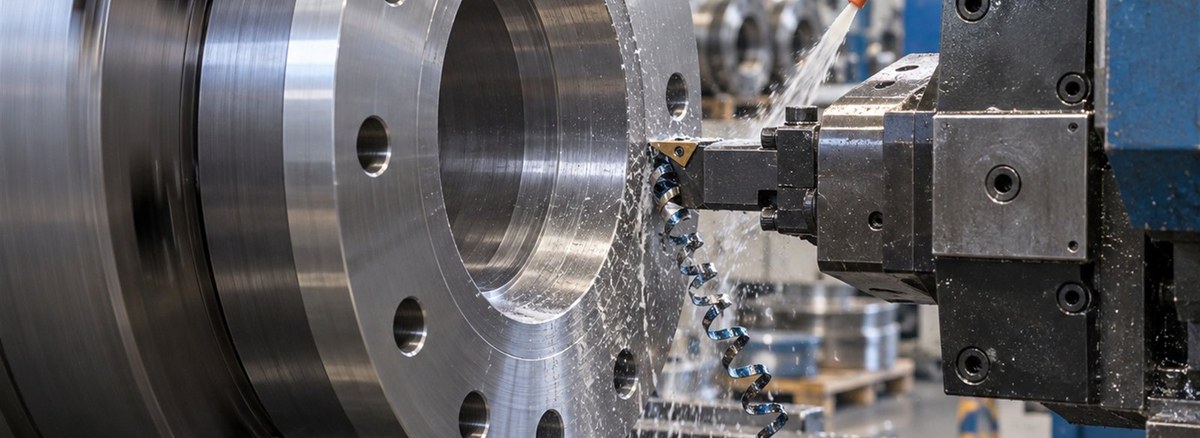
- 6. Machining. Face, hub bore, bolt holes and surface finish are machined. On weld neck flanges the hub bore is set here to the pipe schedule.
- 7. Inspection. Dimensional and visual inspection, hardness testing, and where required ultrasonic inspection, PMI and impact testing.
- 8. Marking and protection. Manufacturer, material, class, standard, size and heat number are stamped, and a protective cover is fitted.
Where quality is lost
The issues we see most often: a missing heat treatment record, a hub bore machined to the wrong schedule, a surface finish that does not suit the gasket, and a stamp that does not match the certificate. All four can be caught at inspection; caught on site instead, the cost multiplies.
See how to read a mill test report and how to read flange markings.
For project specific fabrication see our services page, and send your list through the enquiry form.
FAQ
Why are forged flanges preferred?
The grain structure follows the geometry and internal voids are unlikely, giving higher strength and toughness.
Why does heat treatment matter?
Mechanical properties are gained at that step, and the record must appear on the certificate.
When is the hub bore set?
During machining, to the pipe schedule stated on the order.
Send us your material list; we reply with price and lead time the same day.
Request a quote