Gaskets
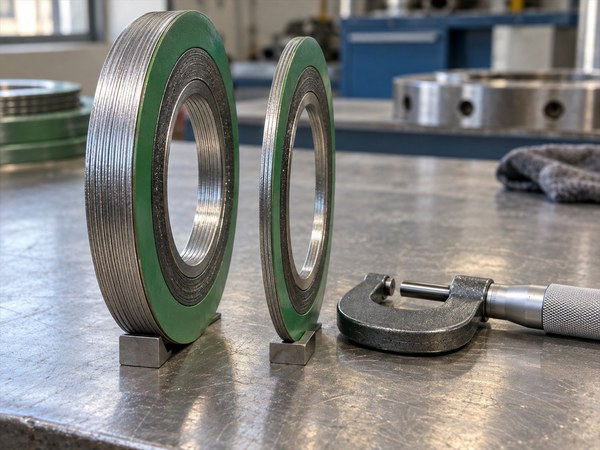
Spiral Wound Gasket Thickness: 4.5 mm or 3.2 mm?
Gasket thickness is not a free choice; it follows flange size, pressure class and the bolt load…
Read more →
Gasket thickness is not a free choice; it follows flange size, pressure class and the bolt load…
Read more →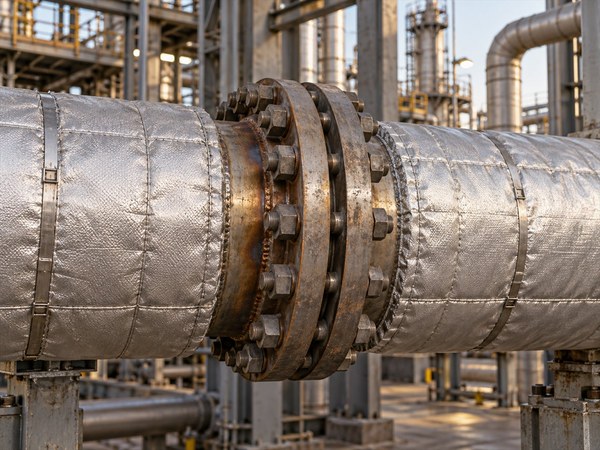
It appears often in refinery and petrochemical specifications for critical service: Thermiculite® 835. What is it and which problem does it…
Read more →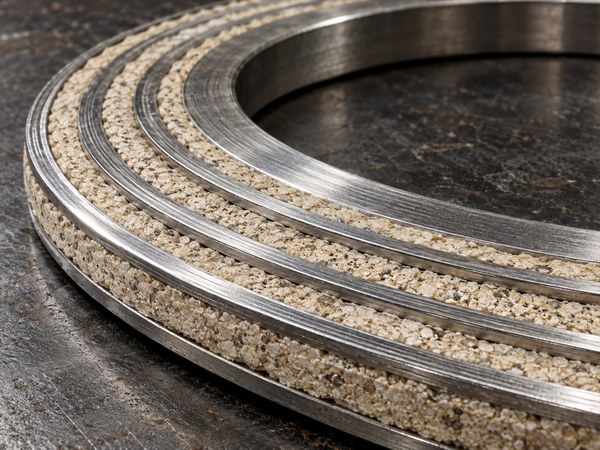
Graphite filled spiral wound gaskets cover most process piping. But once temperature rises and the atmosphere turns oxidising, graphite has a…
Read more →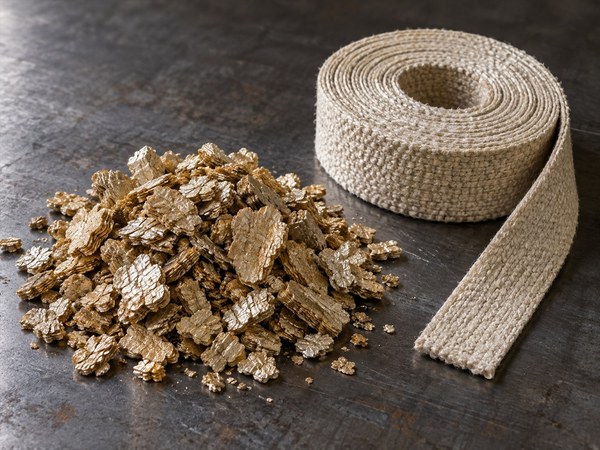
When a specification calls for a "Thermiculite® filled gasket", two questions follow: is this a material or a brand, and will an equivalent be…
Read more →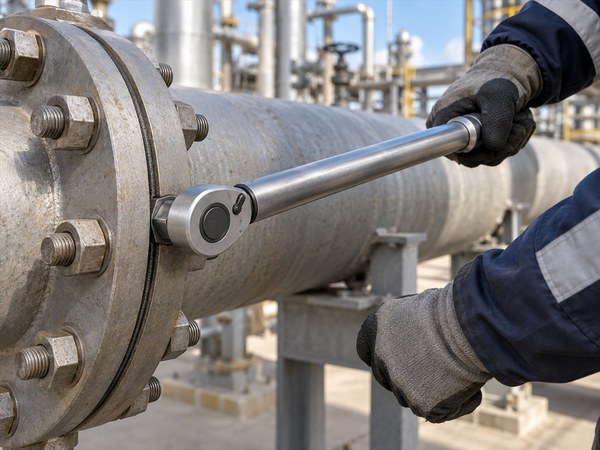
"Spiral wound gasket torque chart" is a frequent search. Charts are easy to find, but one that does not state its assumptions is an estimate rather than a…
Read more →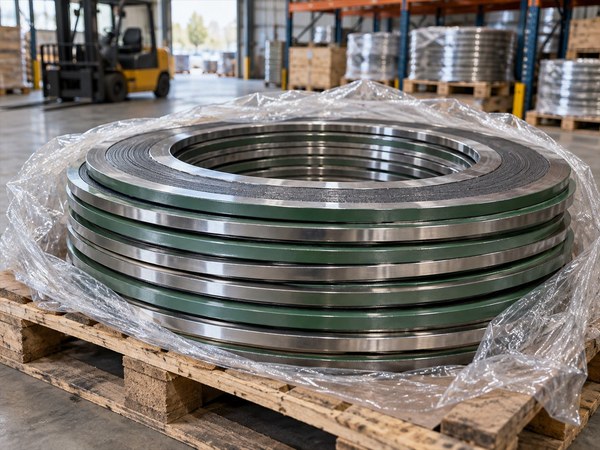
Enquiry lists sometimes carry the note "please include gasket weights". It looks like a detail, but it is needed for air freight, customs declarations and stock…
Read more →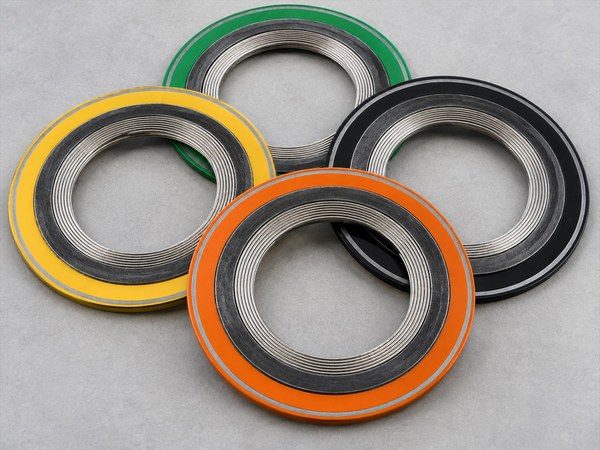
Two gaskets side by side in the store look identical: one may have a 304 winding, the other 316. That is why the colour code exists. The painted rim tells you the material without…
Read more →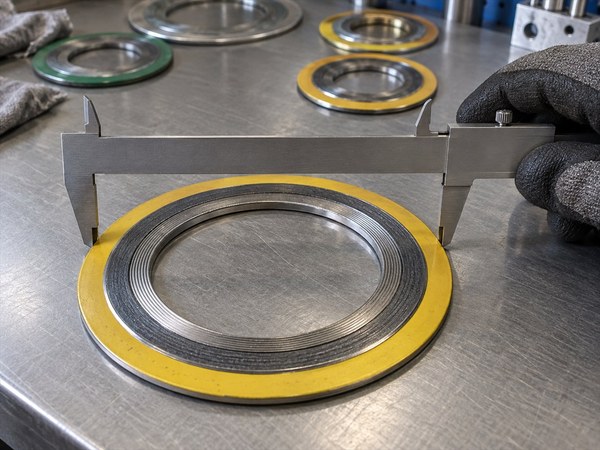
The size of a spiral wound gasket is not a free choice; the standard and class of the flange it belongs to already define it. State size and class correctly and the rest follows…
Read more →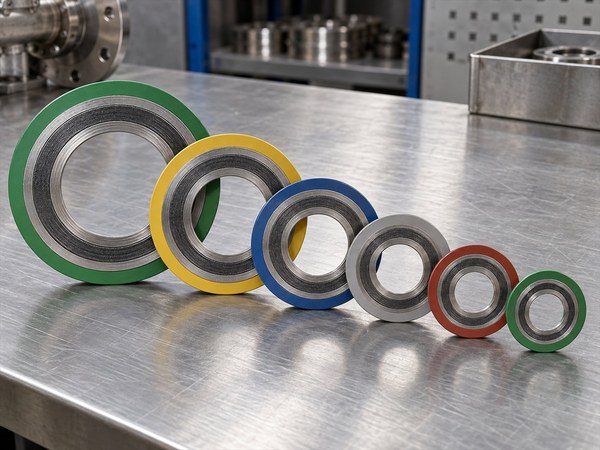
We covered construction and colour codes in a separate articlespiral-wound-gaskets-guide.html. This one holds the numbers needed at enquiry and installation: configuration,…
Read more →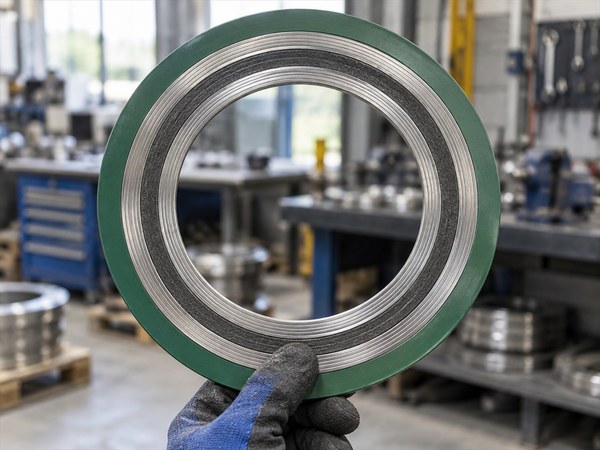
The spiral wound gasket is the most widely used metallic gasket in process plants. Selected and installed correctly it seals at high pressure and temperature for its full service…
Read more →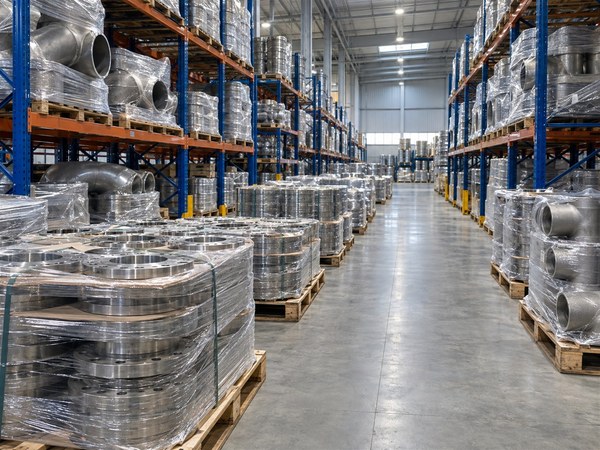
Large projects add a line to the specification: only manufacturers on the approved manufacturer list are acceptable. It is a condition that directly affects both quotation and…
Read more →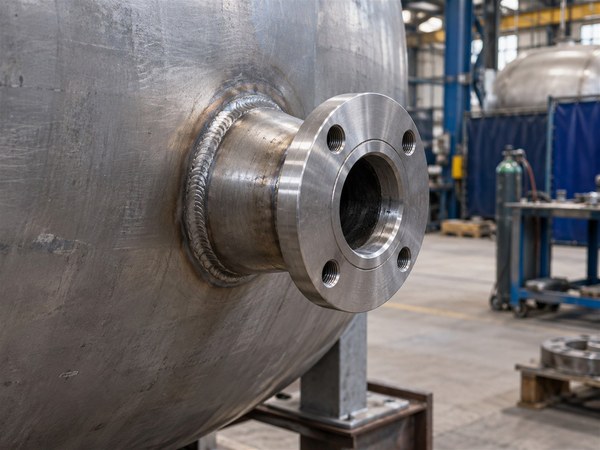
A studding outlet is a flange shaped connection welded to a vessel or pipe surface on one side and drilled with tapped holes on the other. Unlike a standard flange the holes do…
Read more →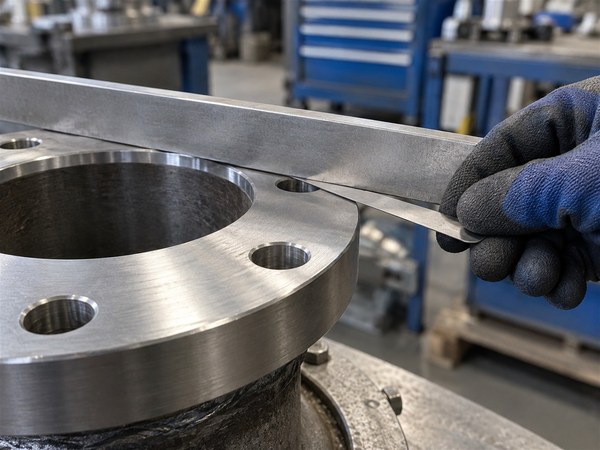
A flanged joint seals because two faces meet parallel to each other. If one face is tilted, the gasket is crushed too much on one side and too little on the…
Read more →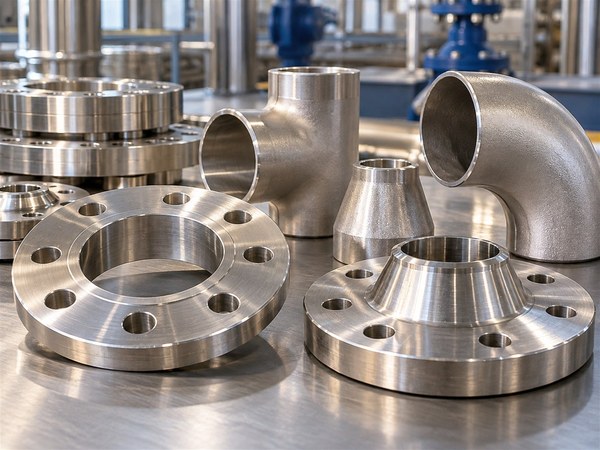
Where stainless and duplex grades fall short, nickel based alloys take over. They are expensive materials, used where genuinely needed rather than chosen "to be…
Read more →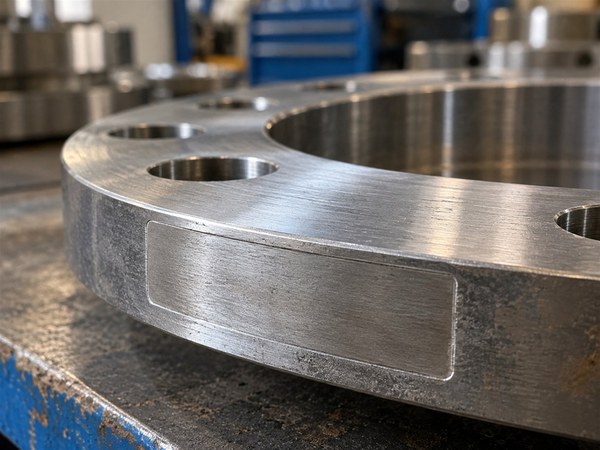
Most of the confusion on enquiry lists comes from material codes. Once the logic is clear, it takes one glance to know what an item…
Read more →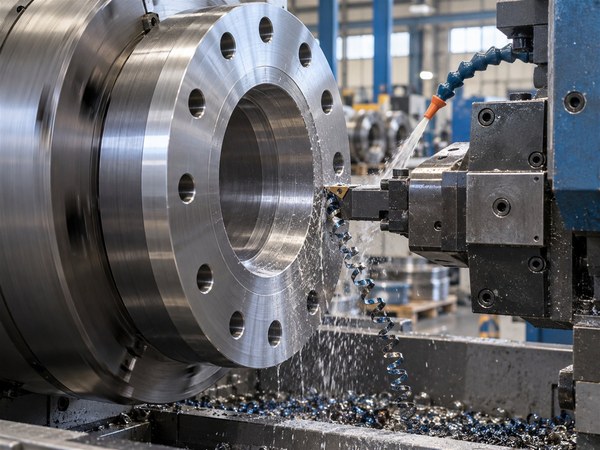
A flange's quality is decided at every step of the chain, not at final inspection. Knowing the process makes it easier to ask the right questions at enquiry and…
Read more →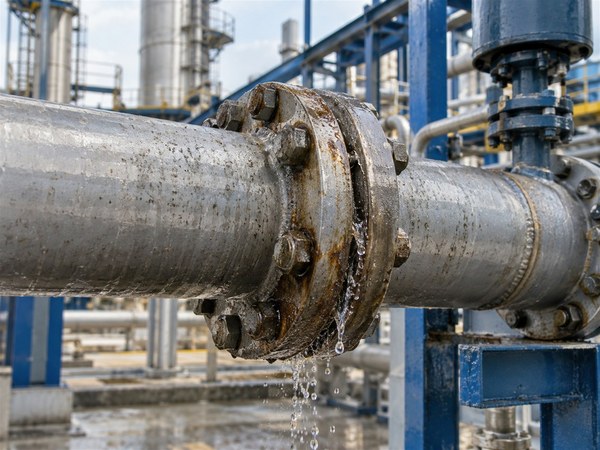
A leak is usually explained as "a bad gasket". The gasket is normally the consequence; the real cause sits one step…
Read more →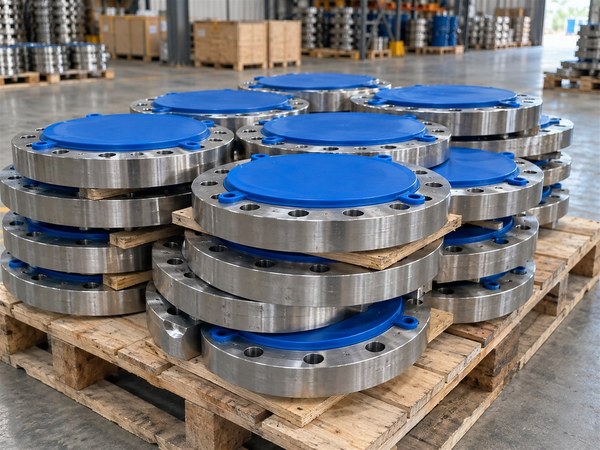
If a flange arrives on site with a scratched face, it is either remachined or it becomes the joint that leaks at the next shutdown. Protection starts before…
Read more →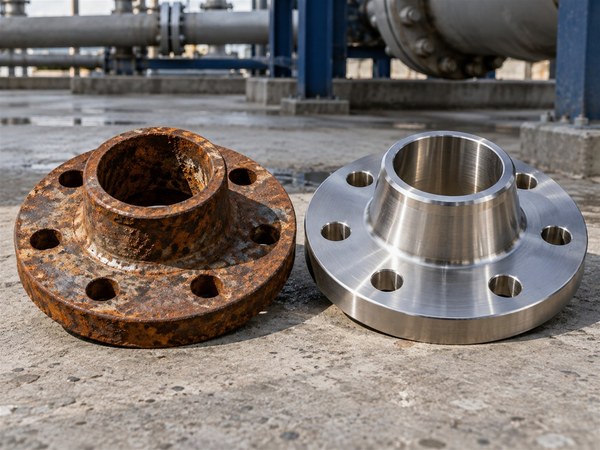
On most projects this decision is made on first cost. Yet the difference between carbon steel and stainless has far more to do with service life and maintenance than with the…
Read more →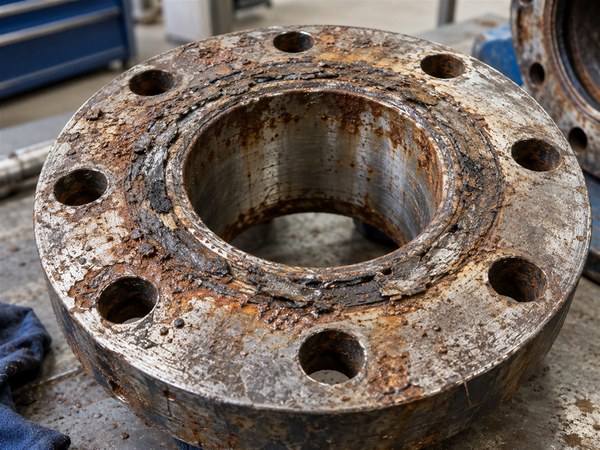
Finding scratches, dents or corrosion pits on a flange face during maintenance is common. The decision lies between three options: close it as it is, repair it, or replace…
Read more →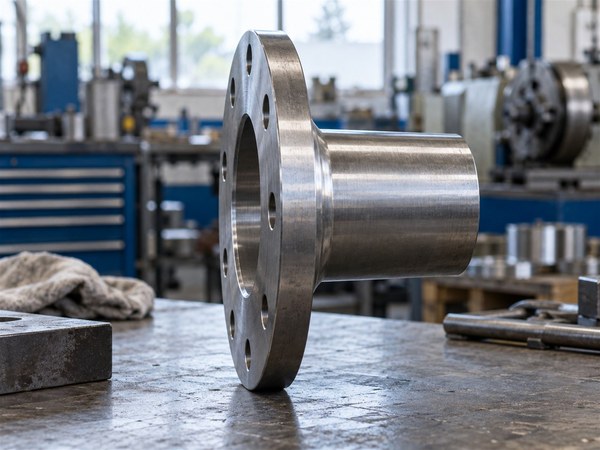
A long weld neck flange is a weld neck flange with an extended hub. That extension turns the part from a flange into a short nozzle…
Read more →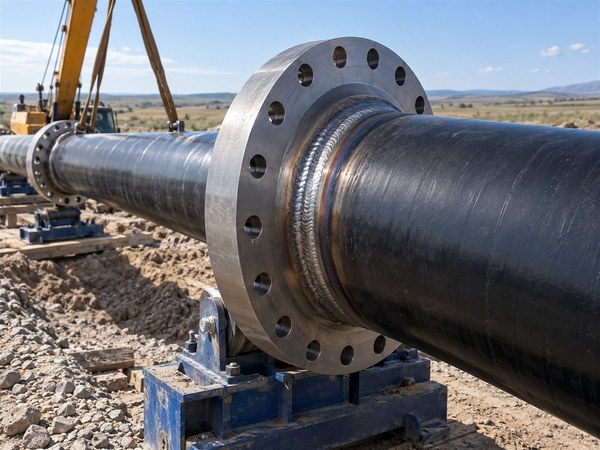
Pipeline projects ask for A694 F52 or F65 rather than A105. The reason is simple: the flange has to match the strength of the pipe it…
Read more →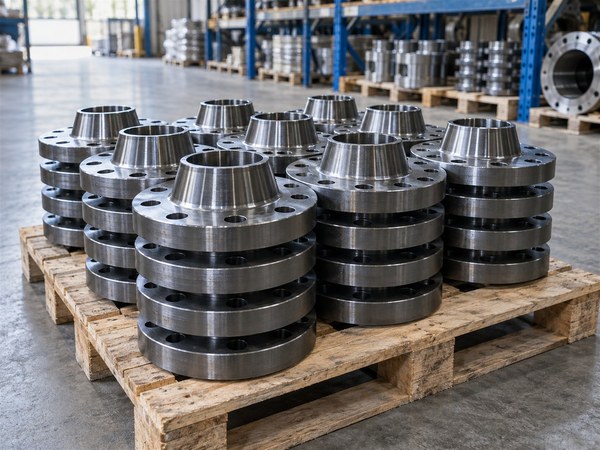
In the field people say "ANSI flange" and "ASME flange" interchangeably. Both point to the same part, but the organisations differ, and the confusion occasionally causes ordering…
Read more →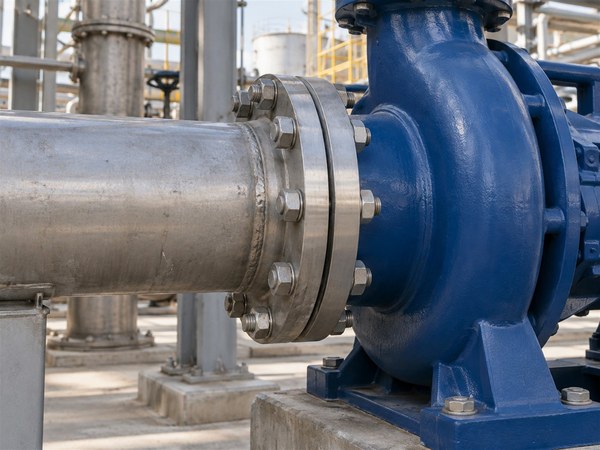
In plants with Japanese pumps, compressors or heat exchangers the equipment side is often JIS flanged. If the piping was designed to ASME, the connection point becomes a…
Read more →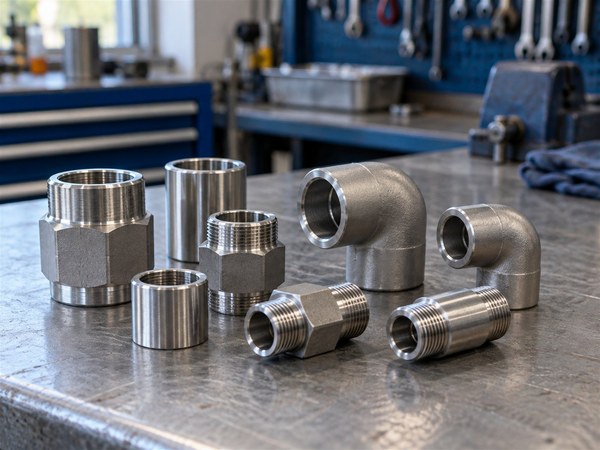
Small bore lines offer two options: a threaded connection or a socket weld. The choice depends on service and vibration, not only on…
Read more →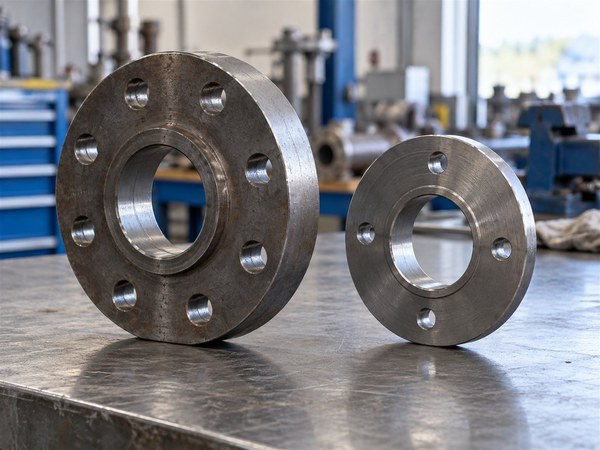
This is the comparison made most often when choosing a flange class. Both exist in the same nominal sizes, yet they are not…
Read more →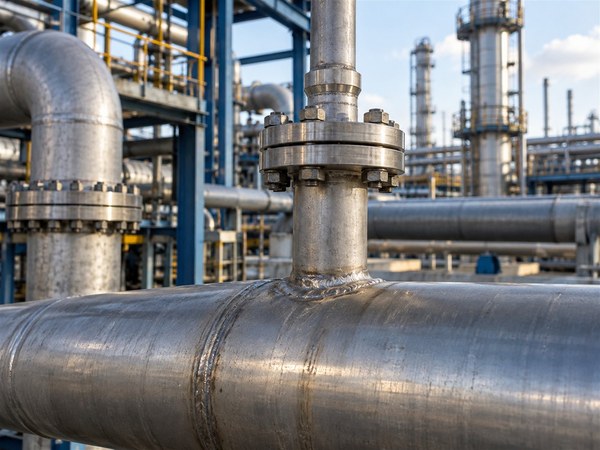
Taking a flanged branch from a main run classically needs three parts: an olet welded to the run, a nipple on top and a flange at the end. Three parts, three welds. Combined…
Read more →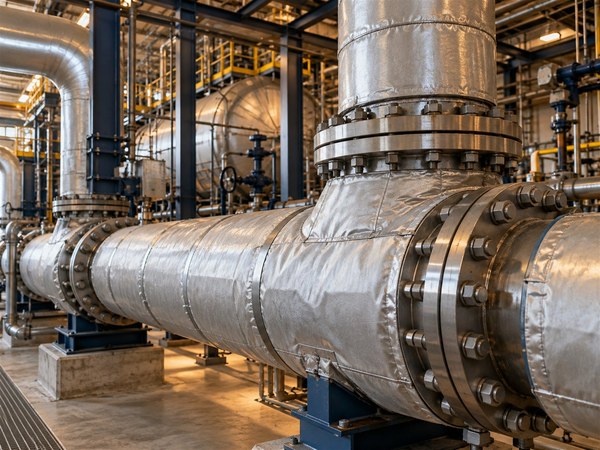
High pressure and high temperature are demanding on their own; together they force every part of a flanged joint to be…
Read more →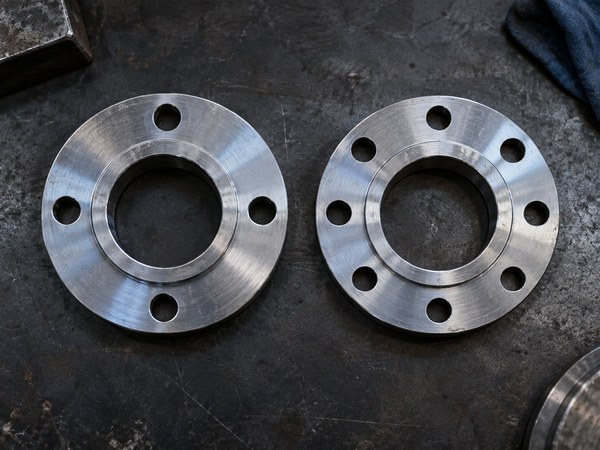
This is the mismatch met most often on international projects: metric DIN/EN flanges on one side, imperial ANSI/ASME flanges on the…
Read more →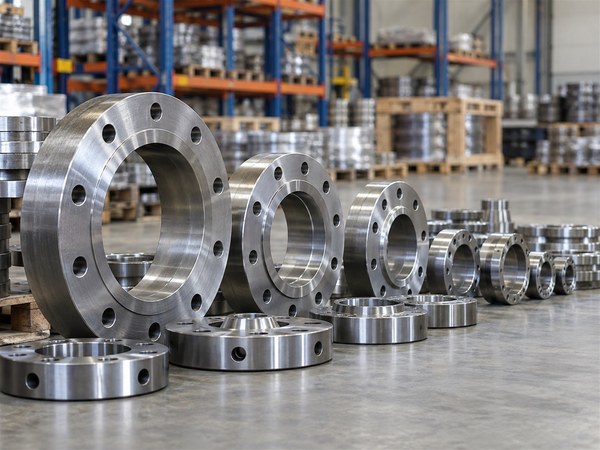
A wrong flange costs far more than the material: the line waits, the crew stands idle and the schedule slips. These five mistakes are the ones we see most often on enquiry…
Read more →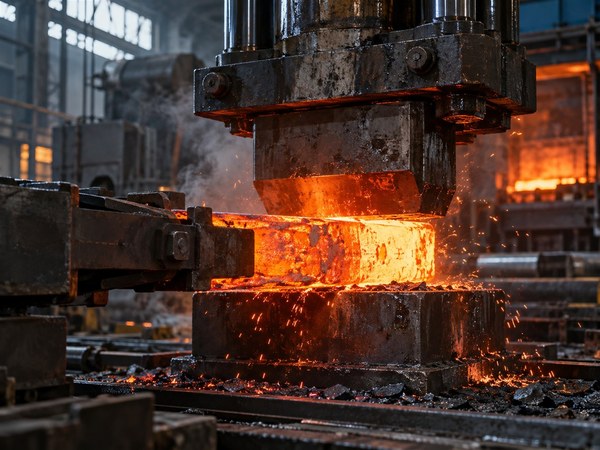
"Would a cast one do?" comes up from time to time on flange orders. The answer depends on the item and where it will…
Read more →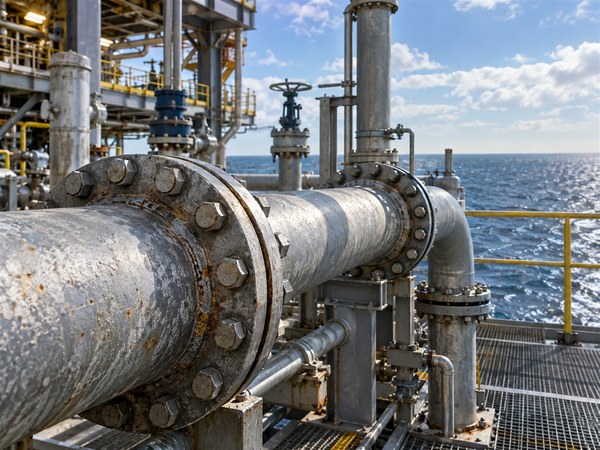
Even carrying the same fluid, a line on an offshore platform is not solved with the same material as one onshore. The difference comes from the environment and the logistics…
Read more →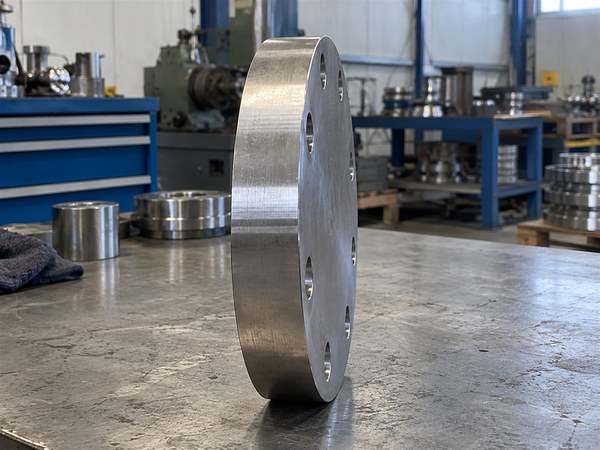
For standard sizes, blind flange thickness is read from the table and no calculation is needed. Calculation comes in for non standard sizes, custom blanking plates and blinding…
Read more →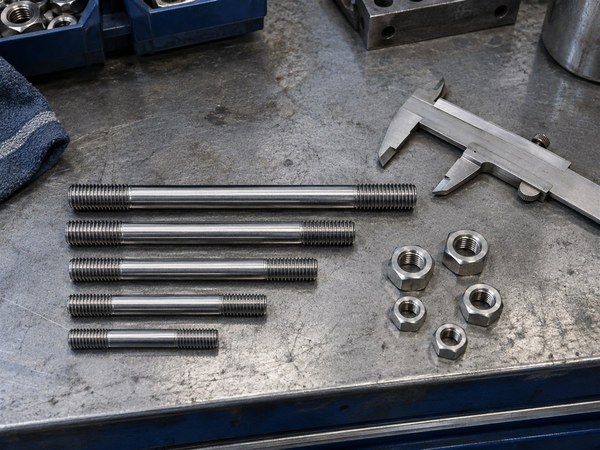
In the field an "about right" dimension means either a leaking joint or a stripped nut. Three dimensions must be given together when ordering studs: diameter, thread and…
Read more →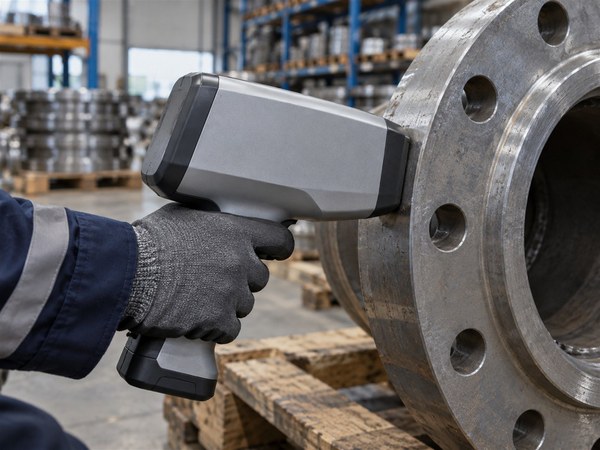
PMI measures the alloy composition of a part with a portable spectrometer. The result comes in seconds and shows whether the material really is the grade…
Read more →
"Which standard is stricter?" comes up often, but there is no direct answer, because these standards approach the same subject from different…
Read more →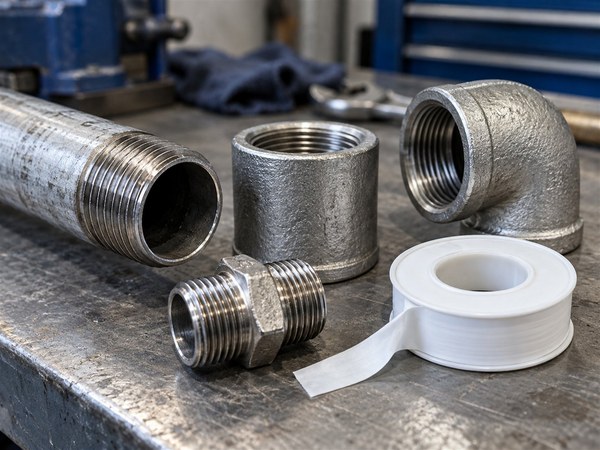
Two thread systems dominate threaded connections: American NPT and British BSPT. From a distance both look like tapered threads, but they do not fit…
Read more →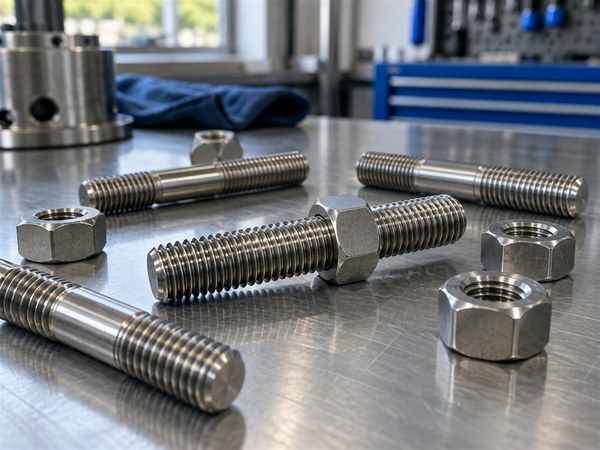
Stainless steel is durable, but handled carelessly it creates unexpected problems. The two seen most often in the field are galled fasteners and faces contaminated with carbon…
Read more →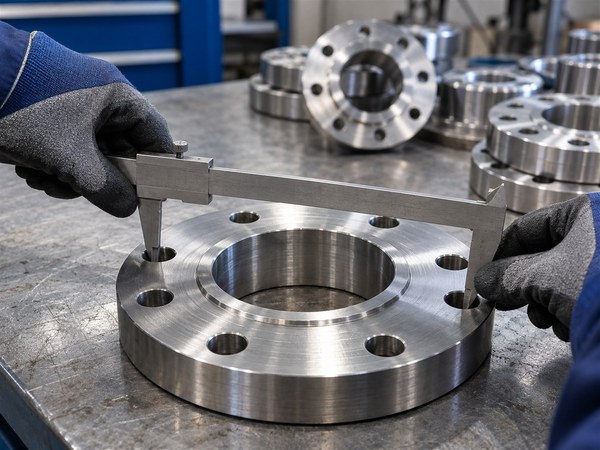
A flange dimension table is not complicated, but the columns and footnotes confuse anyone seeing one for the first time. Once a few basics land, the table reads…
Read more →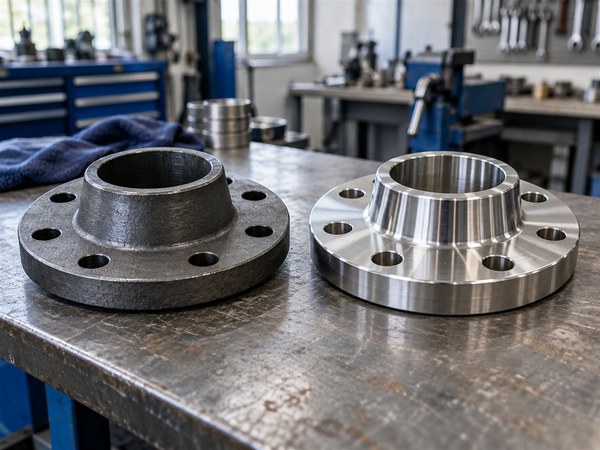
This is the question we hear most often when a flange is ordered: A105 or A182? They are not two materials but two standard…
Read more →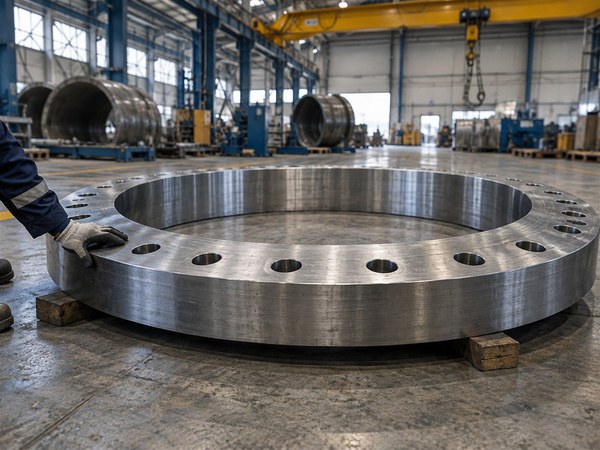
ASME B16.5 covers flanges up to 24 inches. Above that, ASME B16.47 takes over, and it contains two different…
Read more →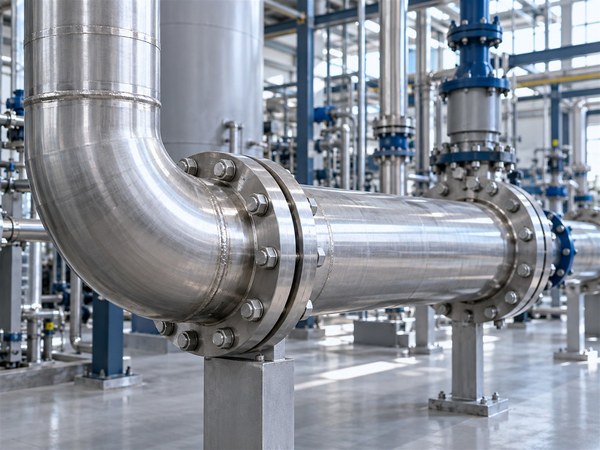
Hydrogen lines create two separate problems: the molecule is so small that it escapes easily, and hydrogen atoms enter the steel and make it…
Read more →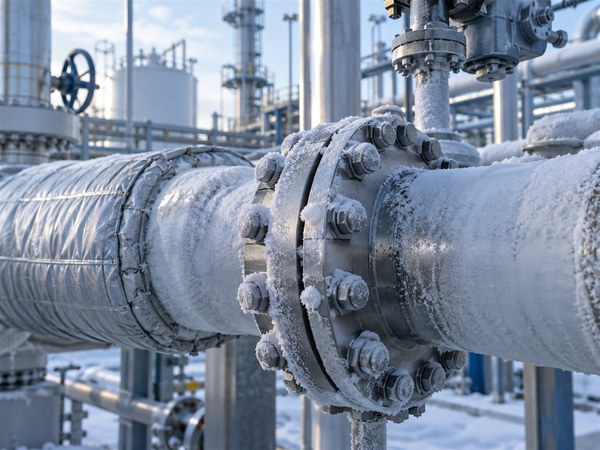
At room temperature carbon steel behaves in a ductile way: it stretches before it breaks. As temperature falls that behaviour changes, and below a certain point the material…
Read more →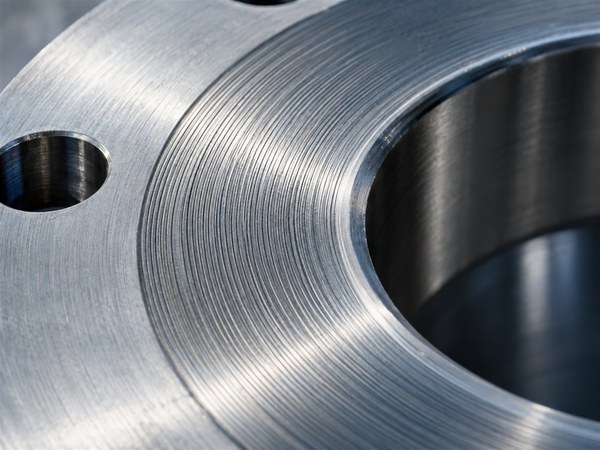
Face type and surface finish are two different specifications. One describes the form RF, FF, RTJ, the other the machining pattern on that form. The gasket seals by keying into…
Read more →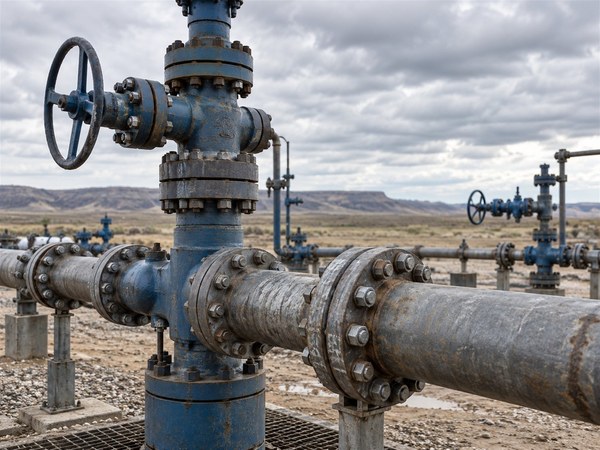
Once a specification says "sour service", the subject is no longer only pressure and temperature. Hydrogen sulphide changes how steel behaves, and a material that is otherwise…
Read more →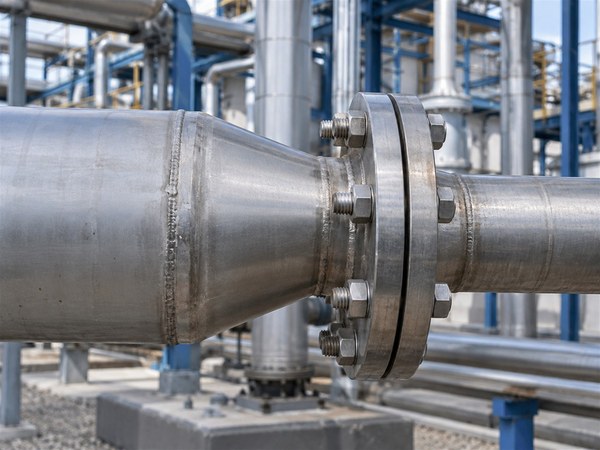
When two different pipe sizes have to meet at a flanged joint there are two routes: weld in a reducer and use a normal flange, or use a single piece reducing flange. Which is…
Read more →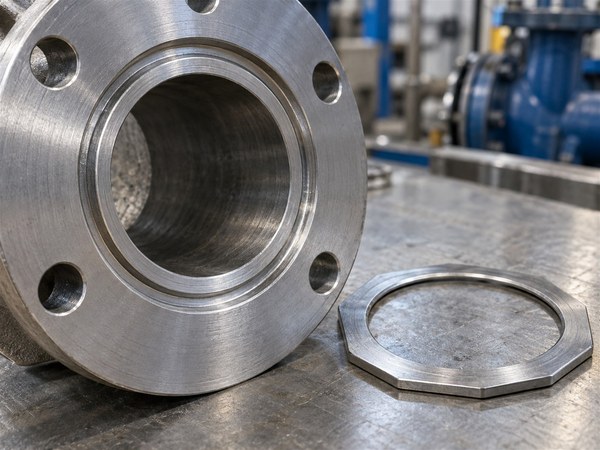
Above class 300, particularly in upstream oil and gas and refining, the face type is often specified as RTJ. Sealing here comes not from crushing a gasket but from permanent…
Read more →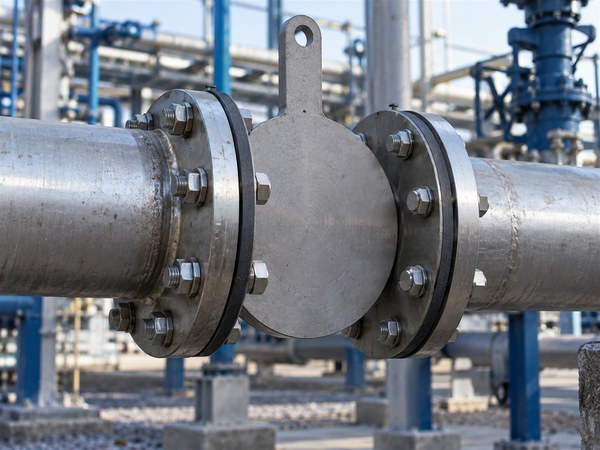
Every refinery and process plant has a drawer full of steel parts that look like giant spectacles. They are the blinding elements that prove a line is truly isolated during…
Read more →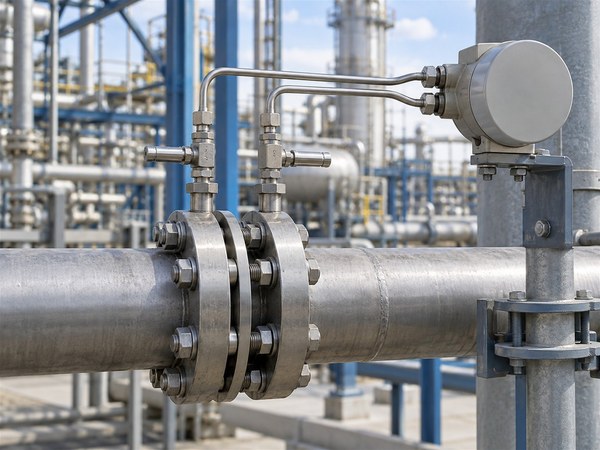
The most common way to measure flow in a pressurised line is to restrict the flow and measure the pressure difference it creates. An orifice flange set is the connection that…
Read more →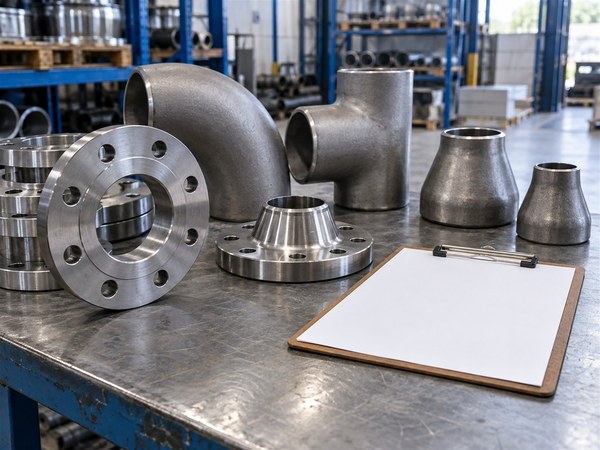
The most important document in a shipping file is the material certificate. It is usually filed and forgotten, yet checking a few lines prevents problems in the…
Read more →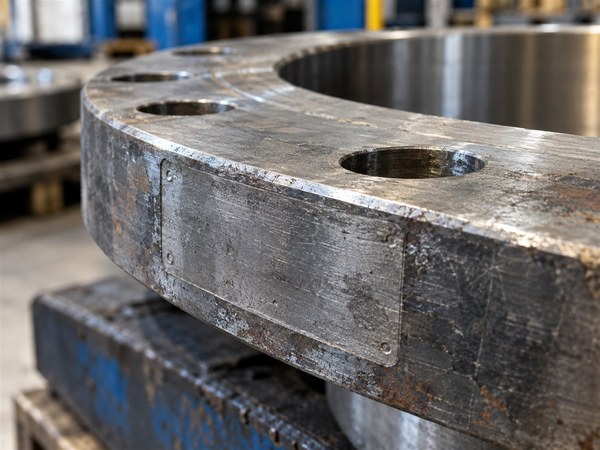
The marks on the rim of a flange are not random. The standard defines what has to be stamped, and reading those lines tells you almost everything about the…
Read more →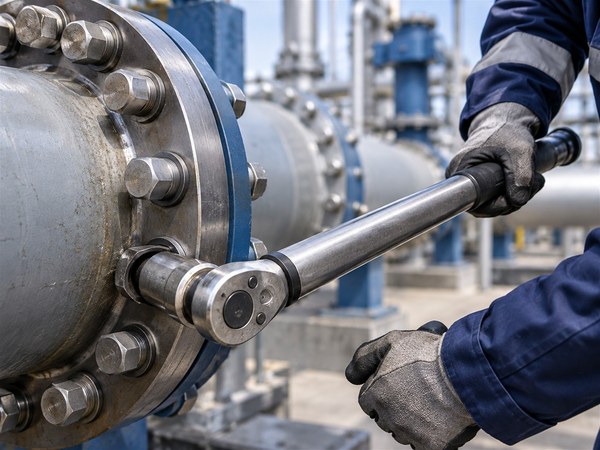
Even with the right flange, the right gasket and the right bolts, a joint leaks if the torque is wrong. Torque delivers the force that compresses the gasket enough to seal without…
Read more →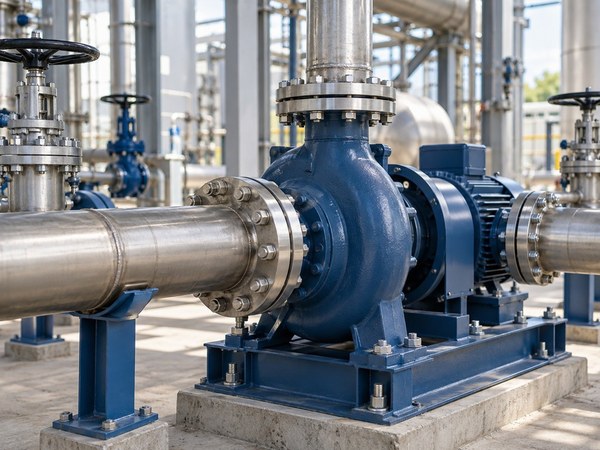
The tightest way to join a line is to weld it. Even so, plants contain thousands of flanged joints, for a simple reason: a welded line cannot be taken apart, a flanged one…
Read more →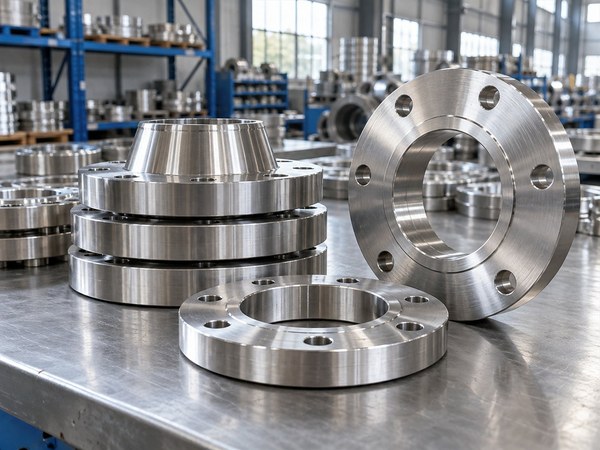
The sentence we hear most often when a stainless flange is requested is "304 will do, it is stainless anyway". But stainless steel does not resist corrosion absolutely; it resists…
Read more →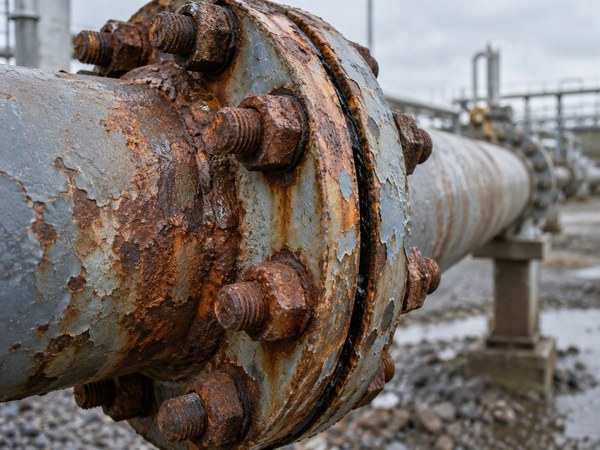
In a planned outage the biggest time loss is often not the flange itself but bolts that will not come off. Corrosion damages the sealing face and multiplies maintenance…
Read more →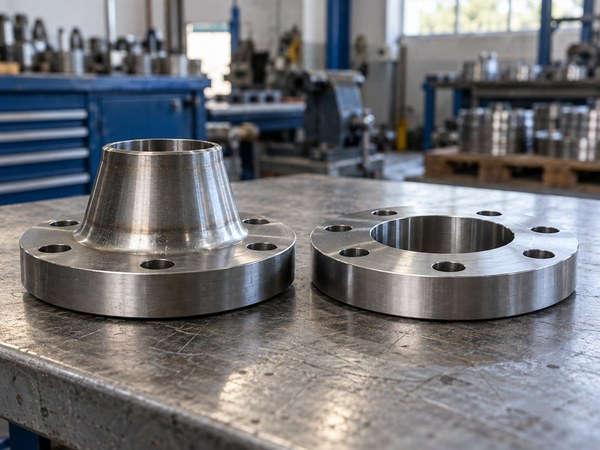
When two flange types of the same size and class are compared, the decision is usually made on price. Yet the difference between weld neck and slip-on has far more to do with the…
Read more →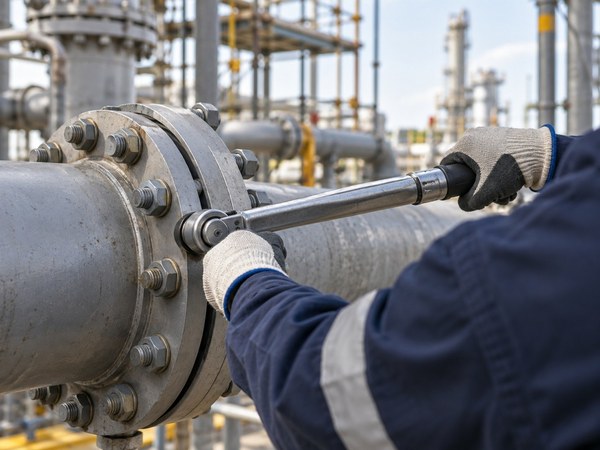
A flanged joint looks simple: two parts, a gasket and a few bolts. Most field leaks start from exactly that assumption. The five rules below cover the mistakes made most often on…
Read more →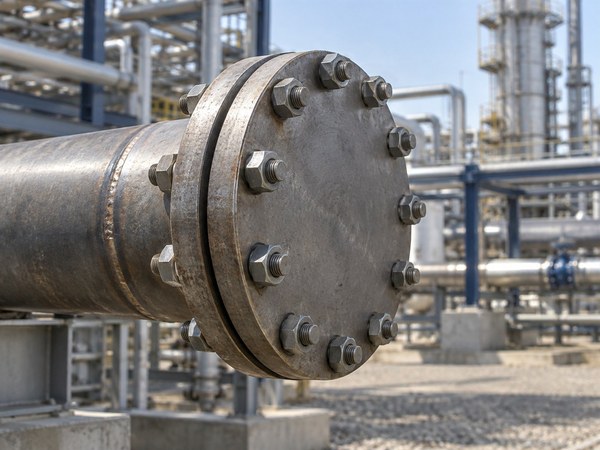
The safest way to close a pipeline is not to weld a cap on it, but to leave a removable cover. That is exactly what a blind flange does: it holds the line under pressure yet can…
Read more →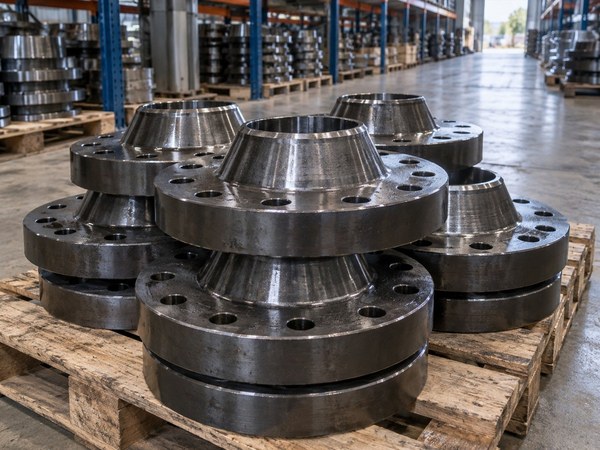
ASTM A105 is the first material that comes to mind for a carbon steel flange. It is the most widely used forged grade on process lines, but it is not suitable for every service.…
Read more →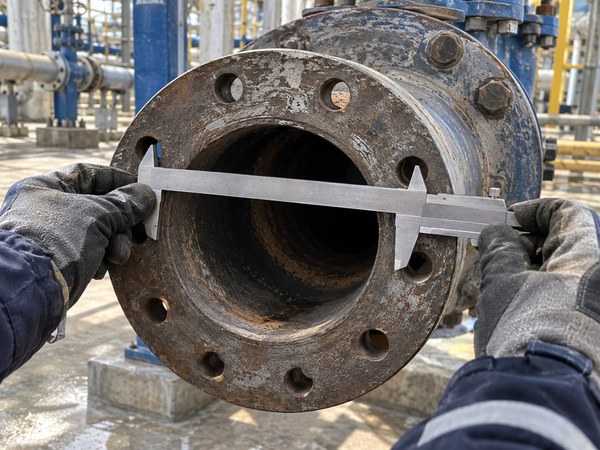
When a flange with unreadable markings turns up in the store or on a dismantled line, there are two options: guess, or measure. Guessing means a part of the wrong pressure class…
Read more →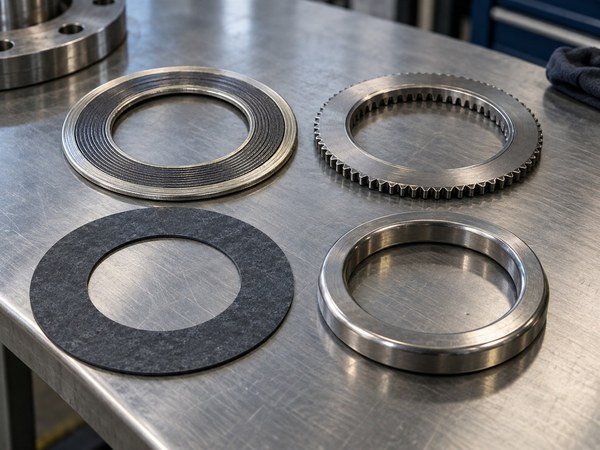
The gasket is the cheapest part of a flanged joint, yet most leaks start there. The choice comes down to four pieces of information: pressure, temperature, fluid and flange…
Read more →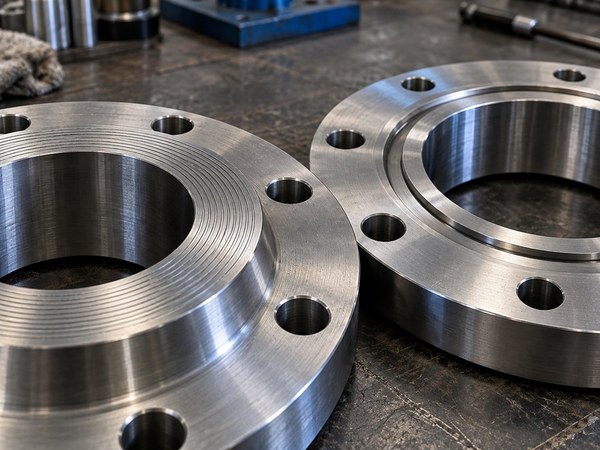
The flange face is where the gasket sits and where sealing actually happens. Two flanges of the same class and size are not a safe joint if their face types…
Read more →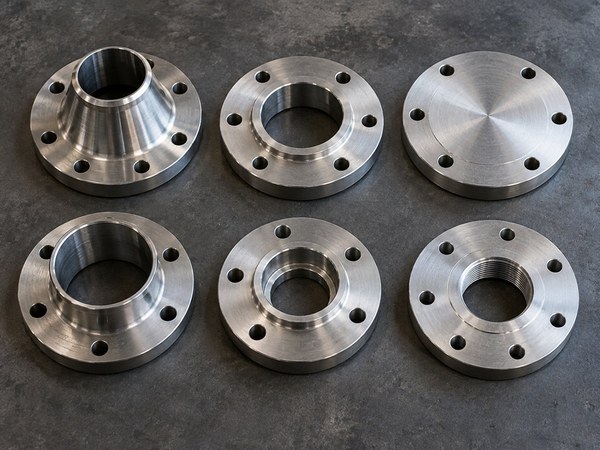
ASME B16.5 defines six main flange types. They all appear to do the same job: joining two parts so they can be taken apart again. What differs is how they carry load and where the…
Read more →
316L is not enough in every environment. When chloride and temperature rise together, austenitic grades become open to stress corrosion cracking. That is where duplex grades come…
Read more →Send your material list, isometrics or MTO file; we reply with price and lead time the same day.
Request a quote